
EQUIPMENT BUYING GUIDE — 04
Understanding the circuit breaker being offered
Surplus circuit breakers may be individual devices, spare stock or components associated with a larger electrical assembly. Frame size, trip information, voltage, current rating and manufacturer series can all matter, and two devices with similar current ratings are not necessarily interchangeable. Keep the inventory descriptions separate when the models or physical configurations differ. A 15 kV class designation concerns voltage class; it is not, by itself, a complete statement of the actual system voltage or the condition of an individual device. Record the precise label and identify whether it belongs to a switchgear section, breaker, transformer or larger assembly. Related sections can have different nameplates and should be described separately.
What matters for owners of 15-kV-class equipment
A breaker review looks at the identifiable model and actual condition as well as quantity. A catalog number can be more useful than an approximate ampere rating, and associated accessories should be identified rather than assumed. A buyer may be interested in only part of a mixed collection, subject to review. Do not represent an untested device as tested or ready for use. Medium-voltage equipment requires careful professional handling, and the rating alone does not establish suitability or value. Provide the manufacturer's model, ratings and existing documentation when accessible without opening anything. All electrical work and any isolation or removal must be performed by qualified professionals; no seller testing is required for a purchase inquiry. For an inquiry in Denver metro, identify the property's authorized contact, the equipment's actual location and any known access limits. An owner, facility representative and contractor can have different responsibilities; clarifying those roles makes the inventory and handoff easier to coordinate.
Identify the equipment without extra testing
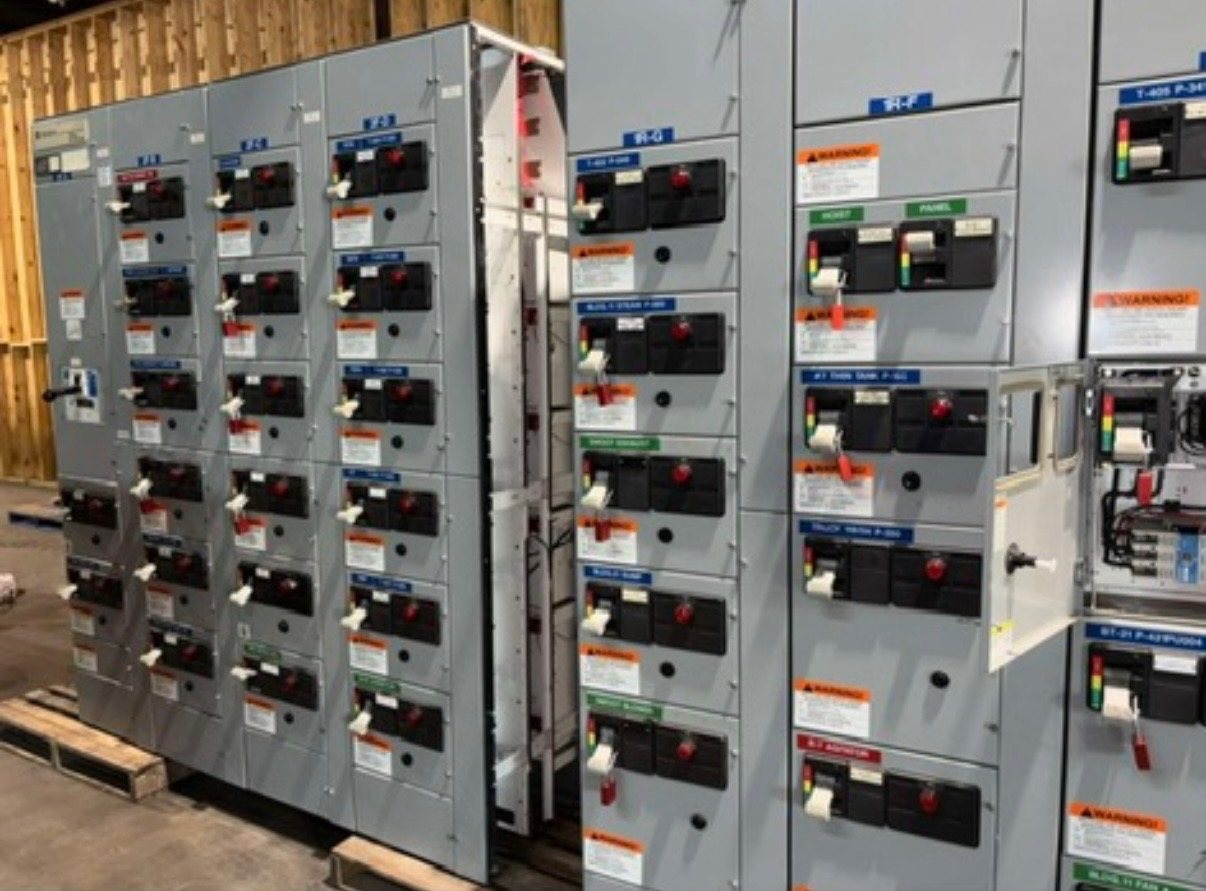
For owners of 15-kV-class equipment, document the actual configuration of 15-kV-class circuit breakers rather than relying on a site-wide description. Photograph each distinct breaker type and the readable exterior catalog and rating labels. Give an approximate quantity for matching devices, identify whether the items are loose or still part of a larger assembly, and report visible damage. If labels cannot be read without opening or disturbing energized equipment, simply say so. No seller testing, operation or disassembly is required to begin a conversation. Keep the first submission manageable: a wide exterior image, readable labels and a short written list of the pieces included are more useful than a folder of unlabeled pictures. Mark any devices retained for spares, still in use or belonging to a different party. Keep existing maintenance or project records with the corresponding item, but do not create a new report or operate equipment for the inquiry. A qualified party can determine whether further information can be obtained safely.
Plan the handoff in Denver metro
If equipment remains in a working facility, the purchase discussion must not interfere with building operations. Make clear who controls the equipment, who controls access and whether the material has already been professionally disconnected. Any isolation, removal or rigging must be carried out by qualified professionals under the site's procedures. The buyer covers freight under an agreed purchase, with the handoff details coordinated in advance. The first step is to define the sale: who owns the equipment, which pieces are included, where they are located and what information is already available. Add safe exterior photographs and any existing records that help identify the equipment. Site access and any professional removal are separate planning questions. The buyer can then review the information, ask for clarification if needed and determine whether an offer is appropriate.
How an offer and freight work
For a sale of 15-kV-class circuit breakers, owners of 15-kV-class equipment should identify the included assets and their authority to transfer them. An initial description does not guarantee an offer, and an equipment label alone cannot determine a price. Not every model, condition or incomplete assembly is necessarily accepted. If the seller accepts the agreed terms, payment is upfront and freight is covered. The seller is not asked to conduct a test, although the parties still need a safe, clearly defined handoff plan. The available information helps distinguish the equipment offered from the rest of the property. Be clear about ownership, quantities, visible condition and any sections or devices excluded from the lot. If the buyer needs clarification, an existing record or safely accessible photo may help. There is no promise that all equipment will be accepted, and no price is represented before a specific review. For the agreed purchase, we handle and cover disconnects, crane services where needed, rigging, loading, freight and hauling. Qualified professionals perform the electrical and rigging work, so the seller does not have to arrange or perform it.
Keep electrical safety with qualified professionals
For owners of 15-kV-class equipment considering the sale of 15-kV-class circuit breakers in Denver metro, an offer does not replace site safety procedures. Never assume that a retired, unused or disconnected-looking assembly is safe to open or move. Treat installed or unidentified equipment as a matter for qualified professionals and the site's established safety procedures. Avoid touching exposed electrical parts, operating equipment or removing covers. All electrical work must be done by qualified professionals, and moving large or unstable equipment requires appropriately qualified handling personnel. An inquiry is not permission to perform electrical work or bypass the facility's safety procedures. Existing maintenance information can be shared as-is and should not be presented as new test results. If the site has known access or environmental requirements, tell the buyer so qualified personnel can incorporate them into the removal plan. For an agreed purchase, we arrange qualified professionals for disconnects and rigging; the seller does not have to perform those tasks.
What to include in your inquiry
For 15-kV-class circuit breakers, the most helpful description connects the visible equipment to the actual seller's scope. Separate circuit breakers from unrelated material, and distinguish a complete assembly from individual components or spares. If details are uncertain, note that openly; it is better than guessing about a model, condition or rating. A buyer can then consider the inventory and discuss any agreed next steps without requiring seller testing.