
EQUIPMENT BUYING GUIDE — 04
Understanding the motor control center being offered
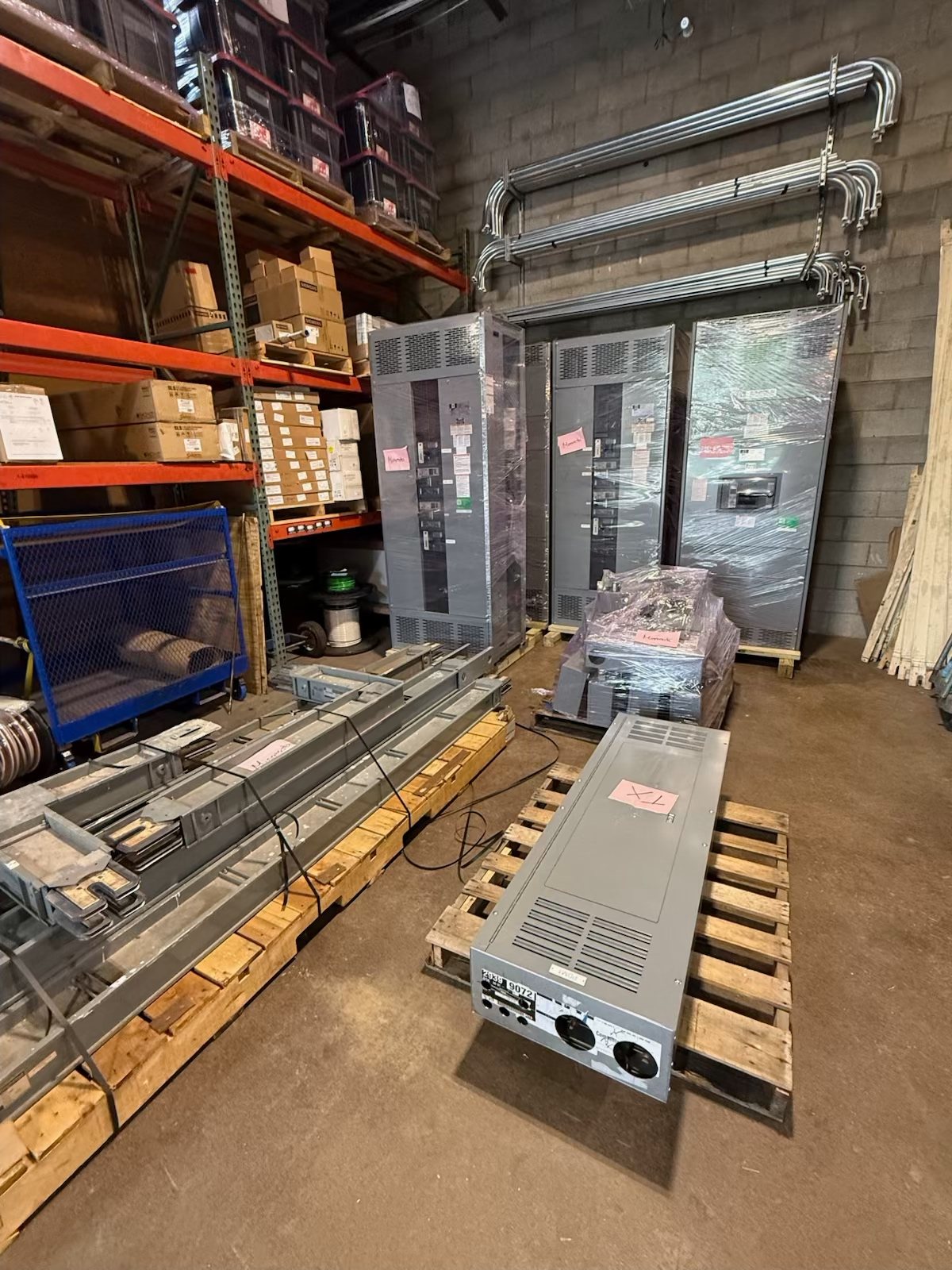
A motor control center groups equipment used to control motors and related loads. An MCC may contain multiple vertical sections and removable units or buckets, with the configuration depending on the actual assembly. For a surplus inventory, distinguish the structural lineup from loose buckets or spare components, and describe whether the units seen in the photographs are included in the proposed sale. A seller may have a complete motor control center, a partial assembly or equipment that has already been professionally removed and stored. Each is a different inventory. State which pieces are included and explain whether they are part of an active site or available in storage.
What matters for owners of surplus motor control centers (MCCs)
MCCs that look similar can have different control arrangements, starter types and included components. Describe which sections and buckets belong to the lot, whether labels are readable and whether there are obvious missing pieces. Installed equipment and loose spare units may require different collection arrangements. The buyer evaluates the specific configuration and condition rather than assuming every motor-control assembly has the same value. A manufacturer name or headline rating alone does not establish the full configuration. Existing drawings, exterior nameplates and photographs can help match a seller's inventory to the actual physical equipment. Buyers consider identification, completeness, condition and collection requirements; a particular item is not automatically accepted. For an inquiry in Denver metro, identify the property's authorized contact, the equipment's actual location and any known access limits. An owner, facility representative and contractor can have different responsibilities; clarifying those roles makes the inventory and handoff easier to coordinate.
Identify the equipment without extra testing
For owners of surplus motor control centers (MCCs), document the actual configuration of used motor control centers (MCCs) rather than relying on a site-wide description. Photograph the entire accessible exterior, the main nameplate and any visible unit identification. Record manufacturer, model, voltage and main ampere rating where available, together with the number of sections and any separately stored units. Do not pull buckets, open covers or operate controls to create a quote. Existing labels, equipment schedules and safe exterior images are better starting points for a qualified review. Where a lot contains more than one model, avoid treating a single nameplate as representative of every item. Mark any devices retained for spares, still in use or belonging to a different party. If the nameplate cannot be read from a safe position, do not reach into the equipment or remove a barrier; describe the gap. The initial submission does not require the seller to test or operate the equipment.
Plan the handoff in Denver metro
If equipment remains in a working facility, the purchase discussion must not interfere with building operations. Mark which assets are available and which are excluded, and share known access or security requirements. Do not move or dismantle equipment simply to request a quote. On an agreed purchase, we handle preparation, loading and covered freight as well as the required disconnects and rigging. Bring together the available photographs, the nameplate details and any existing equipment schedule before describing the intended sale. Add safe exterior photographs and any existing records that help identify the equipment. No testing by the seller is needed. The buyer can review the actual submission before deciding whether to offer to purchase it.
How an offer and freight work
For a sale of used motor control centers (MCCs), owners of surplus motor control centers (MCCs) should identify the included assets and their authority to transfer them. A clear offer should identify the equipment included and the transaction terms before anyone schedules a handoff. The buyer considers the actual lot, its visible condition and the information available. Where an offer is made and agreed, payment is upfront and freight is covered. No testing is required from the seller to begin the process. The available information helps distinguish the equipment offered from the rest of the property. Be clear about ownership, quantities, visible condition and any sections or devices excluded from the lot. If the buyer needs clarification, an existing record or safely accessible photo may help. There is no promise that all equipment will be accepted, and no price is represented before a specific review. For the agreed purchase, we handle and cover disconnects, crane services where needed, rigging, loading, freight and hauling. Qualified professionals perform the electrical and rigging work, so the seller does not have to arrange or perform it.
Keep electrical safety with qualified professionals
For owners of surplus motor control centers (MCCs) considering the sale of used motor control centers (MCCs) in Denver metro, an offer does not replace site safety procedures. The line between documenting equipment and working on it matters. Take photographs only from an authorized safe position, and use existing records when a label is inaccessible. Do not open cabinets, disconnect conductors or operate devices to obtain information for a buyer. All electrical work must be performed by qualified professionals; rigging and heavy movement also require appropriate expertise and an agreed plan. An inquiry is not permission to perform electrical work or bypass the facility's safety procedures. Existing maintenance information can be shared as-is and should not be presented as new test results. If the site has known access or environmental requirements, tell the buyer so qualified personnel can incorporate them into the removal plan. For an agreed purchase, we arrange qualified professionals for disconnects and rigging; the seller does not have to perform those tasks.
What to include in your inquiry
For used motor control centers (MCCs), the most helpful description connects the visible equipment to the actual seller's scope. Separate motor control centers (MCCs) from unrelated material, and distinguish a complete assembly from individual components or spares. If details are uncertain, note that openly; it is better than guessing about a model, condition or rating. A buyer can then consider the inventory and discuss any agreed next steps without requiring seller testing.