
EQUIPMENT BUYING GUIDE — 04
Understanding the electrical equipment being offered
Surplus electrical equipment can be a complete distribution lineup, an individual protective device, a motor-control section or a collection of parts left after an upgrade. Those items are not interchangeable simply because they came from the same electrical room. A useful inventory separates complete assemblies from loose components and records what is actually included, so a buyer can understand the practical scope before discussing an offer. We buy switchgear from decommissioned data centers and shut-down power plants, as well as surplus electrical equipment from modernization, business closure, construction and warehouse inventory projects. Each project has different ownership, condition and access considerations. Identify the specific equipment released for sale instead of treating every device on a property as part of the proposed transaction.
What matters for equipment owners and project teams
Completeness, physical condition, configuration and the ability to identify the equipment all matter. Explain whether an item is still installed, already disconnected by qualified professionals, stored indoors or prepared for collection. Do not assume that age alone establishes value or that every item in a mixed lot will be suitable; a review is necessary before a cash offer can be made. We consider switchgear, switchboards, motor control centers, panelboards, busway, transfer switches, breakers and unit substations across voltage classes. A cash offer depends on the actual equipment and review, not a blanket promise to accept every item. This is a buyer-only inquiry; there is no replacement-equipment sales pitch. For an inquiry in Denver metro, identify the property's authorized contact, the equipment's actual location and any known access limits. An owner, facility representative and contractor can have different responsibilities; clarifying those roles makes the inventory and handoff easier to coordinate.
Identify the equipment without extra testing
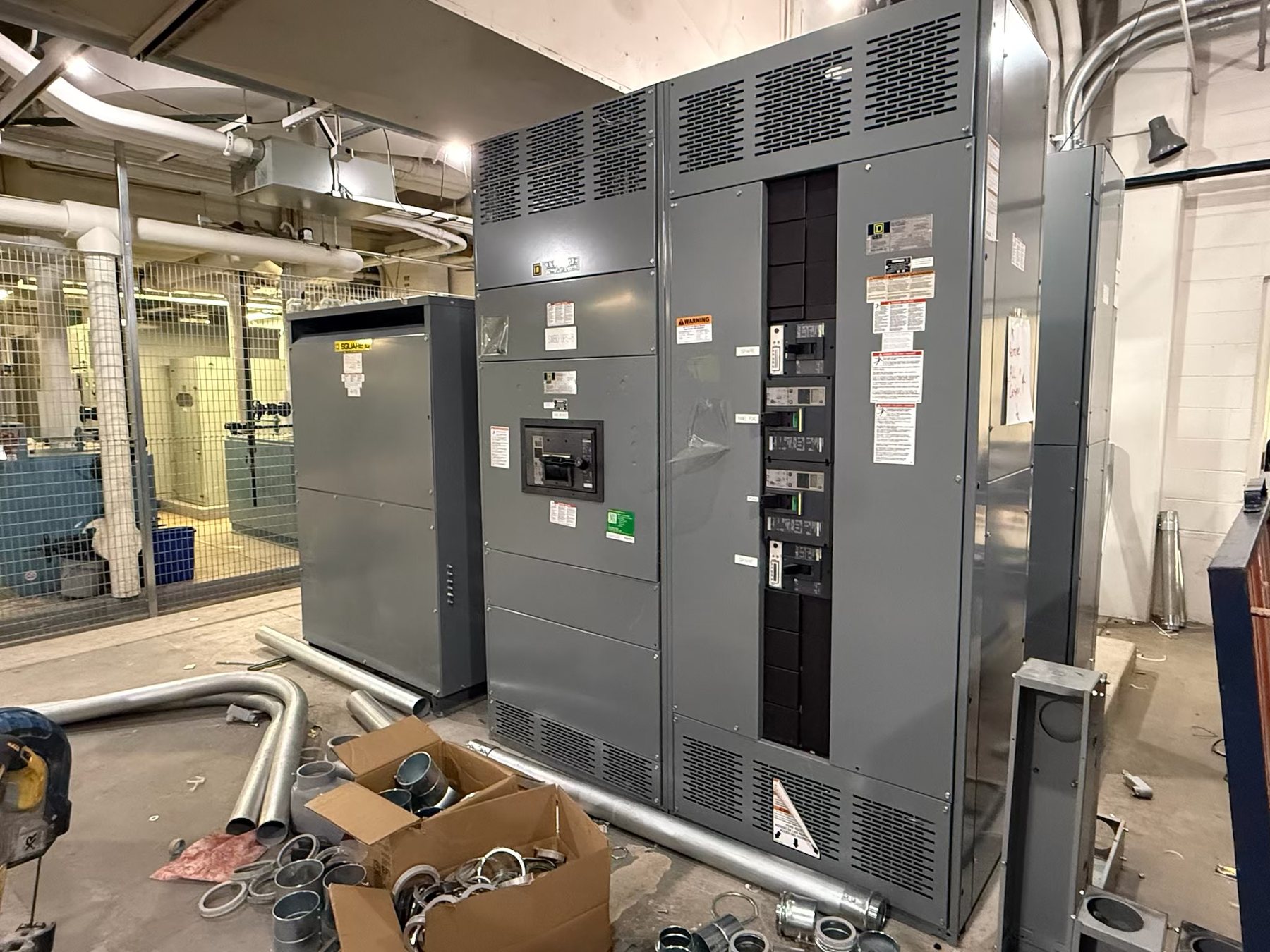
For equipment owners and project teams, document the actual configuration of surplus switchgear and electrical equipment rather than relying on a site-wide description. Start with exterior photographs of each distinct assembly and any legible manufacturer's labels. Record the equipment type, manufacturer, model or catalog number, voltage and ampere rating when visible. A single wide image can show scale, while separate images can show labels and included devices. If a label is obscured, describe the limitation rather than asking someone to open an energized enclosure or perform a test. Where a lot contains more than one model, avoid treating a single nameplate as representative of every item. The seller can add ratings and manufacturer information where clearly marked, and flag any uncertainty rather than guessing. If the nameplate cannot be read from a safe position, do not reach into the equipment or remove a barrier; describe the gap. The initial submission does not require the seller to test or operate the equipment.
Plan the handoff in Denver metro
A large assembly may require a different collection plan from a small pallet of devices. Make clear who controls the equipment, who controls access and whether the material has already been professionally disconnected. Any electrical disconnection and heavy movement must be handled by qualified professionals. On an agreed purchase, we handle preparation, loading and covered freight as well as the required disconnects and rigging. Bring together the available photographs, the nameplate details and any existing equipment schedule before describing the intended sale. Add an existing project record if it helps, and state whether the equipment remains installed. No testing by the seller is needed. The buyer can assess the specific items without asking the seller to create test results.
How an offer and freight work
For a sale of surplus switchgear and electrical equipment, equipment owners and project teams should identify the included assets and their authority to transfer them. The buyer reviews the equipment described and may make a cash offer when the lot is suitable. The buyer considers the actual lot, its visible condition and the information available. Where an offer is made and agreed, payment is upfront and freight is covered. Questions about preparing the site, professional removal or loading should be resolved explicitly rather than assumed. The available information helps distinguish the equipment offered from the rest of the property. Be clear about ownership, quantities, visible condition and any sections or devices excluded from the lot. If the buyer needs clarification, an existing record or safely accessible photo may help. There is no promise that all equipment will be accepted, and no price is represented before a specific review. For the agreed purchase, we handle and cover disconnects, crane services where needed, rigging, loading, freight and hauling. Qualified professionals perform the electrical and rigging work, so the seller does not have to arrange or perform it.
Keep electrical safety with qualified professionals
For equipment owners and project teams considering the sale of surplus switchgear and electrical equipment in Denver metro, an offer does not replace site safety procedures. A label, photograph or verbal description is not an electrical safety assessment. Treat installed or unidentified equipment as a matter for qualified professionals and the site's established safety procedures. Do not open cabinets, disconnect conductors or operate devices to obtain information for a buyer. All electrical work and any necessary rigging or heavy handling must be performed by qualified professionals; the seller is not required to test equipment. An inquiry is not permission to perform electrical work or bypass the facility's safety procedures. Existing maintenance information can be shared as-is and should not be presented as new test results. If the site has known access or environmental requirements, tell the buyer so qualified personnel can incorporate them into the removal plan. For an agreed purchase, we arrange qualified professionals for disconnects and rigging; the seller does not have to perform those tasks.
What to include in your inquiry
For surplus switchgear and electrical equipment, the most helpful description connects the visible equipment to the actual seller's scope. Separate electrical equipment from unrelated material, and distinguish a complete assembly from individual components or spares. If details are uncertain, note that openly; it is better than guessing about a model, condition or rating. A buyer can then consider the inventory and discuss any agreed next steps without requiring seller testing.